Weedbusters

Working together to protect New Zealand

  • Home
  • Weedbusters
    • Who are Weedbusters?
  • All About Weeds
    • Weedy Words
    • Weed List
    • Controlling Weeds
    • Weed Biocontrols
    • Disposing of Weed Waste
    • Banned and notifiable plants
  • Get Involved
    • Become a Weedbuster
    • Weedbusters Near You
    • Weed Quiz
  • Resources
    • How to…
    • Weedbusting Guide
    • Plant Me Instead Booklet
    • Using Weedbuster photographs
    • Useful Links
    • Glossary
  • Contact Us
You Are Here:
  1. Home
  2. All About Weeds
  3. Weed List
  4. Port Jackson fig
All About Weeds

Weed Information Sheet

  • Weedy Words
  • Weed List
  • Controlling Weeds
    • Controlling Pest Shrubs & Trees
    • Controlling Pest Vines
    • Controlling Pest Herbs & Ground Covers
    • Controlling Pest Grasses
    • Controlling Pest Aquatic Weeds
    • Controlling Agricultural Weeds
  • Weed Biocontrols
  • Disposing of Weed Waste
  • Banned and notifiable plants

Popular Links

  • Weed List
  • Weedbusters Near You

Browse weeds by alphabet

a b c d e f g h i j k l m n o p q r s t u v w x y z

Port Jackson fig

Botanical name

Ficus rubiginosa

Family

Moraceae (fig) family

Where is it originally from?

New South Wales, Australia

What does it look like?

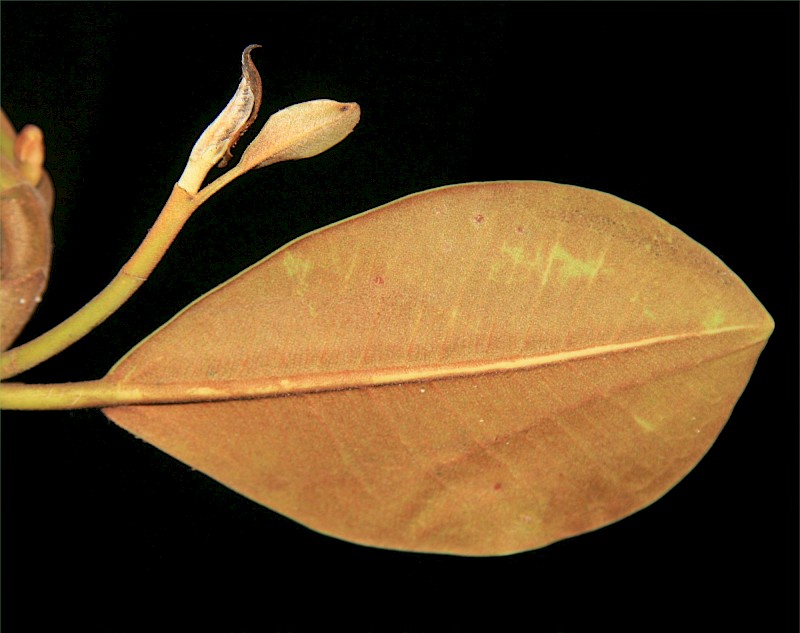
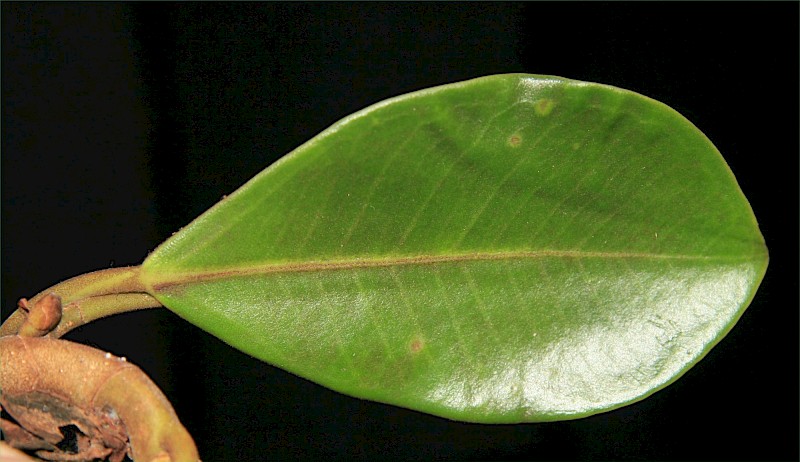
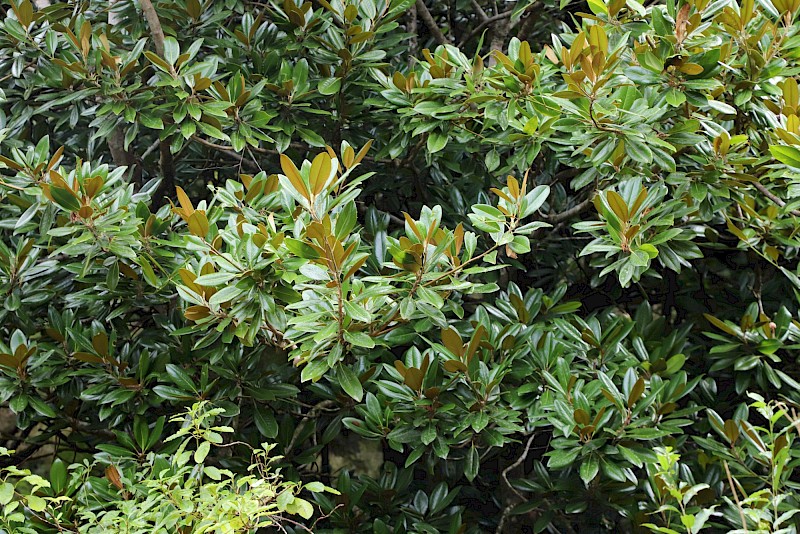
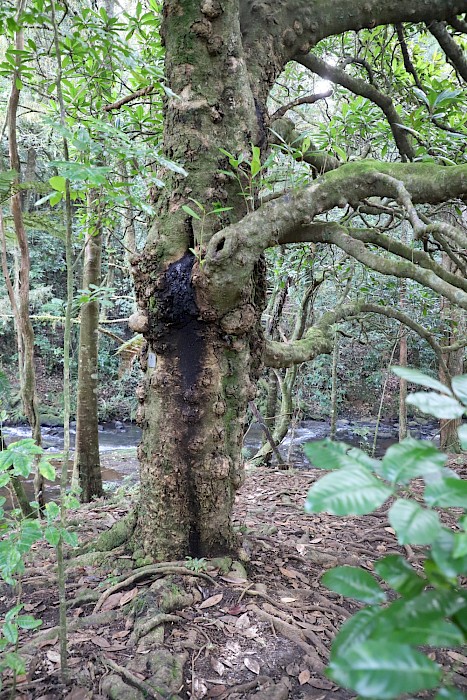
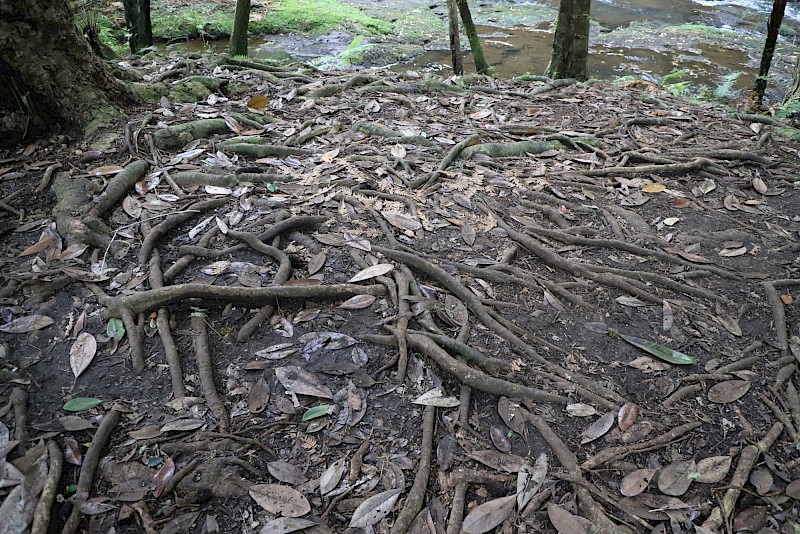
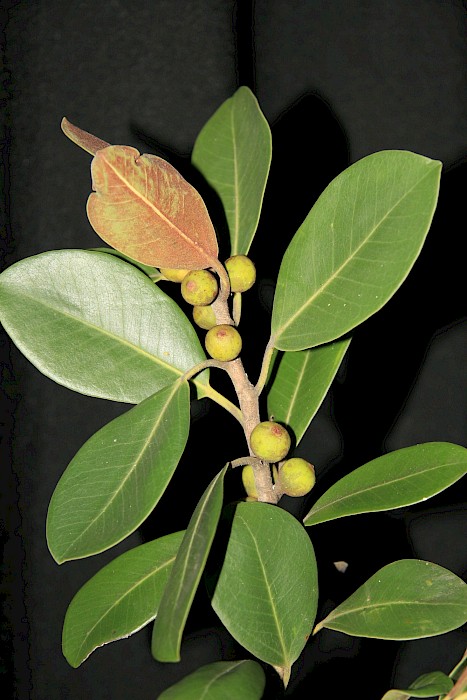
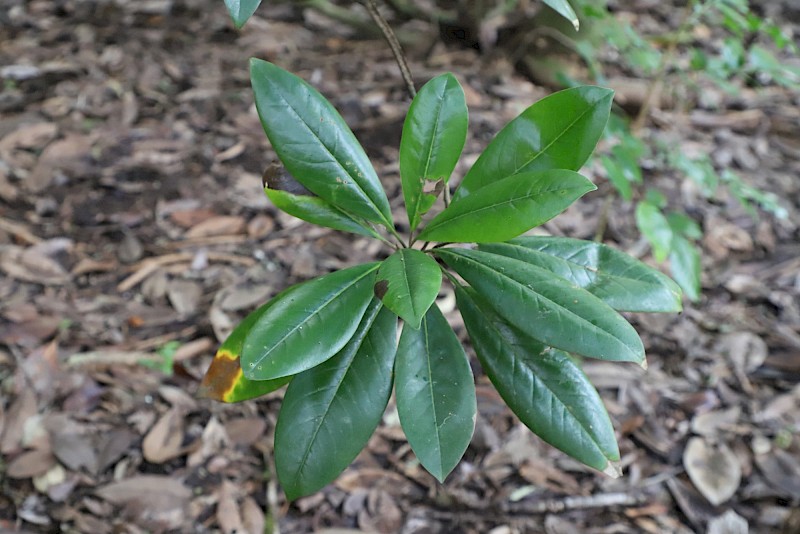
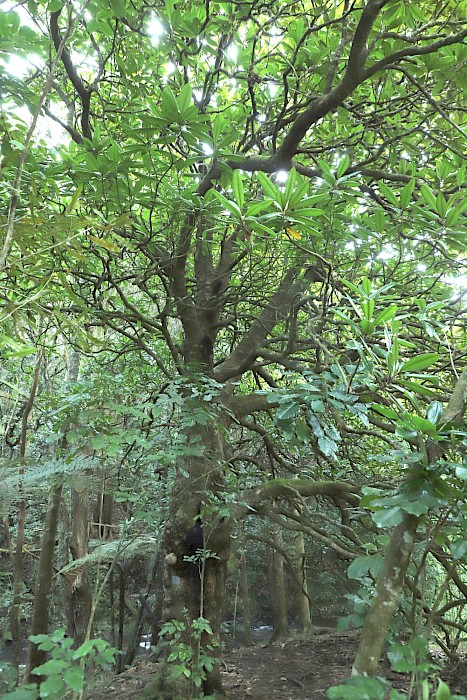
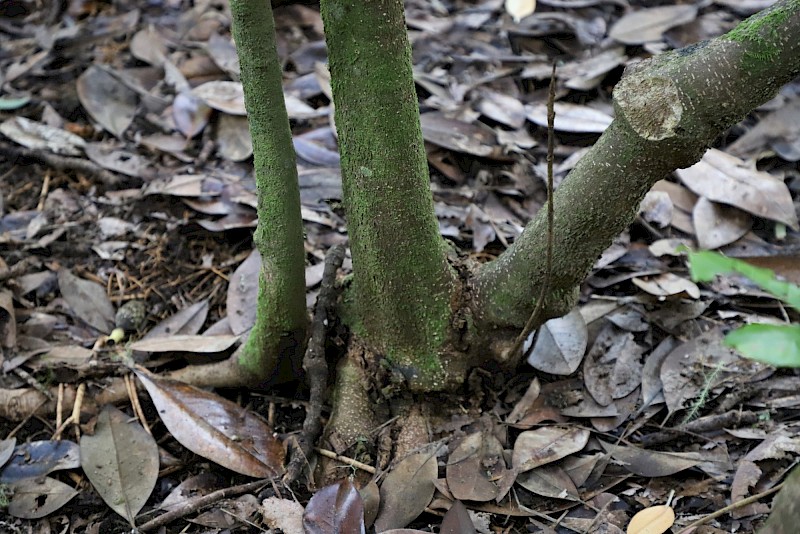
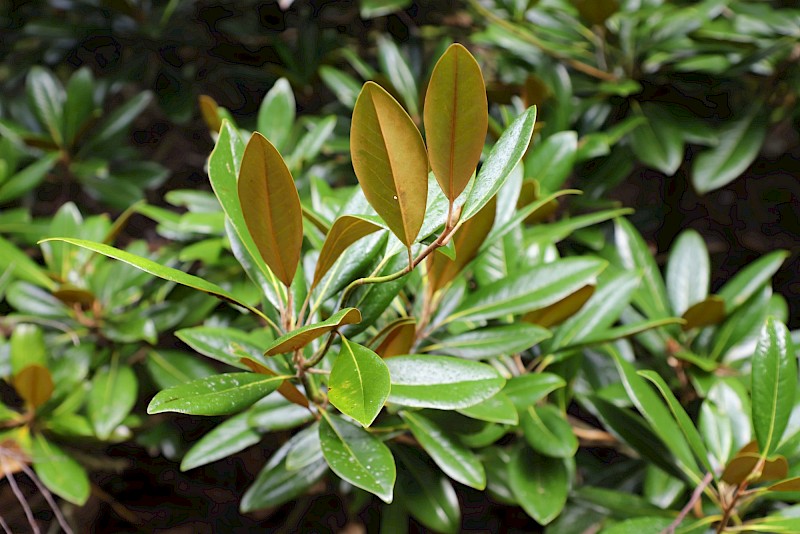
Evergreen small to very large tree, often beginning life as an epiphyte. Young stems are finely hairy and become hairless as they mature. Narrow-oval, leathery leaves (6-12 cm long) are shiny and hairless above and densely fine hairy and pinkish-brown below. Small, round, green flowers with rusty hairs develop into deep yellow to dull red fruit (12-20 mm long) with no stalks.

Are there any similar species?

Moreton Bay fig (F. macrophylla) is very similar, but has leaves to 25 cm long and 20-40 mm long purple fruits on short stalks.

Why is it weedy?

Long-lived tree that dominates canopy and produces many seeds that are pollinated by a species of wasp and are widely dispersed. Tolerates damp to dry, full shade, all soil types, and hot to moderately warm temperatures.

How does it spread?

Birds spread seed from gardens, parks, forests, and rocky areas.

What damage does it do?

Becomes the canopy, spreads widely, and prevents growth and establishment of seedlings of almost all other species.

Which habitats is it likely to invade?

All forest types in warmer areas, and coastal areas.

What can I do to get rid of it?

1. Physical removal - dig out small plants or excavate larger areas. Can be left on site to rot down.

2. Cut and paste (all year round) - Cut the stem/trunk as close to the ground as possible and cover the entire stump with herbicide as soon as possible after cutting. Apply metsulfuron gel (10g/l strength)

3. Drill or frill - Drill downward sloping holes around the circumference of the trunk about 8-10 cm apart, or Frill (make deep cuts into the sapwood at regular intervals around the base of the tree, taking care not to ring-bark the plant). Fill the holes or saturate the cuts with metsulfuron-methyl 600 g/kg (20-50g/L + penetrant).

Note: Can be difficult to detect if growing in high canopy.
CAUTION: When using any herbicide or pesticide, PLEASE READ THE LABEL THOROUGHLY to ensure that all instructions and directions for the purchase, use and storage of the product, are followed and adhered to.

What can I do to stop it coming back?

Treat regrowth as it appears. Cut stumps and roots will respout.

Images
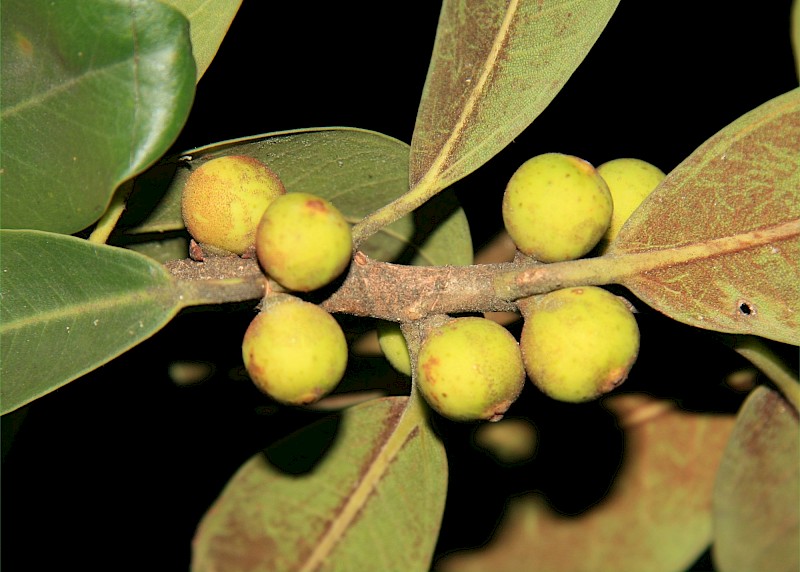
Photo: Trevor James
Photo: Trevor James
Photo: Trevor James
Photo: Trevor James
Photo: Trevor James
Photo: Trevor James
Photo: Trevor James
Photo: Trevor James
Photo: Trevor James
Photo: Trevor James
Photo: Trevor James
Photo: Trevor James

Download PDF Information Sheet

Browse/Search Weeds

Weedbusters

  • Who are Weedbusters?

All About Weeds

  • Weedy Words
  • Weed List
  • Controlling Weeds
  • Weed Biocontrols
  • Disposing of Weed Waste
  • Banned and notifiable plants

Get Involved

  • Become a Weedbuster
  • Weedbusters Near You
  • Weed Quiz

Resources

  • How to…
  • Weedbusting Guide
  • Plant Me Instead Booklet
  • Using Weedbuster photographs
  • Useful Links
  • Glossary

Contact Us

  • Home
  • Contact Us

© 2026 Weedbusters • Website by RS

  • Home
  • Weedbusters
    • Who are Weedbusters?
  • All About Weeds
    • Weedy Words
    • Weed List
    • Controlling Weeds
      • Controlling Pest Shrubs & Trees
      • Controlling Pest Vines
      • Controlling Pest Herbs & Ground Covers
      • Controlling Pest Grasses
      • Controlling Pest Aquatic Weeds
      • Controlling Agricultural Weeds
    • Weed Biocontrols
    • Disposing of Weed Waste
    • Banned and notifiable plants
  • Get Involved
    • Become a Weedbuster
    • Weedbusters Near You
    • Weed Quiz
  • Resources
    • How to…
      • Raise Weeds Awareness
      • Organise a Weedbusters Event
    • Weedbusting Guide
    • Plant Me Instead Booklet
    • Using Weedbuster photographs
    • Useful Links
    • Glossary
  • Contact Us
  • Find us on Facebook