Jerusalem cherry
Botanical name
Solanum pseudocapsicum and Solanum diflorum
Family
Solanaceae (nightshade)
Also known as
Madeira winter cherry
Where is it originally from?
South America
What does it look like?
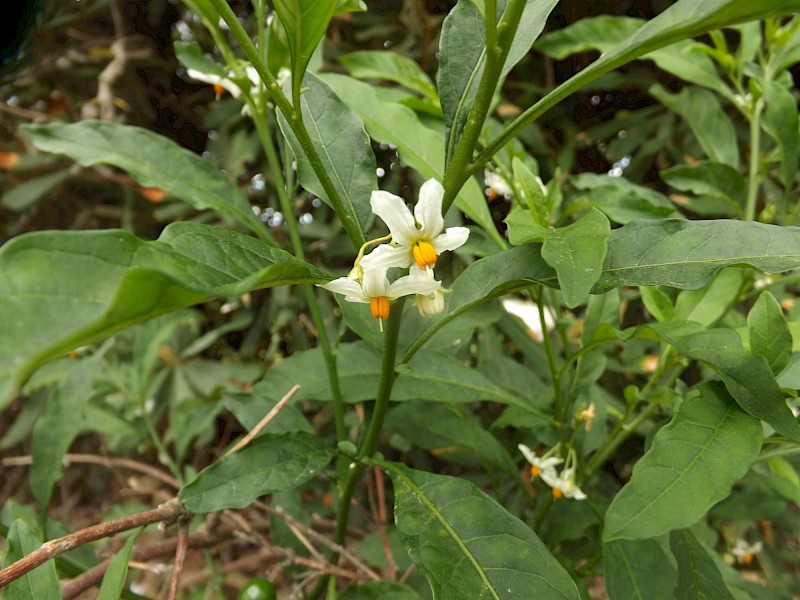
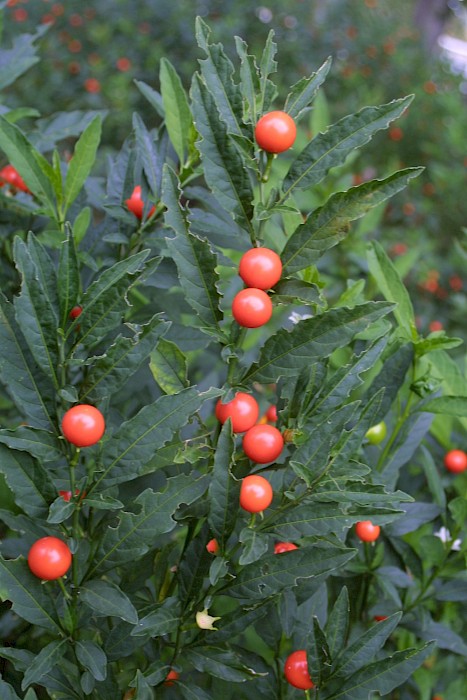
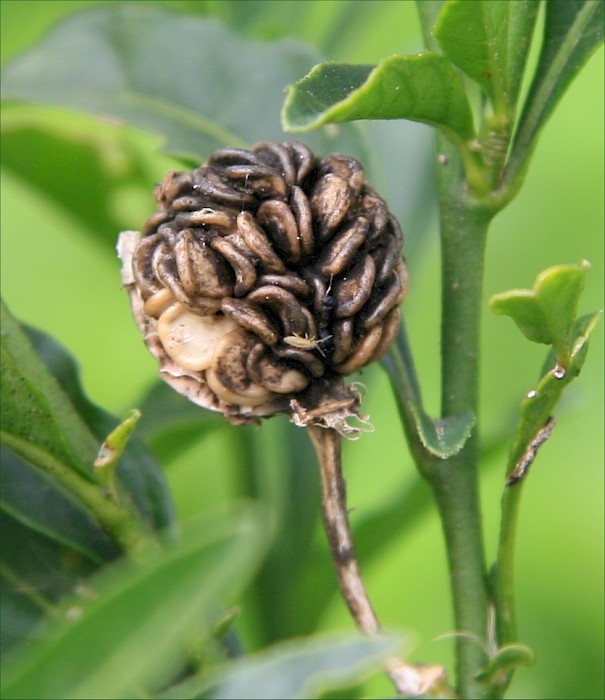
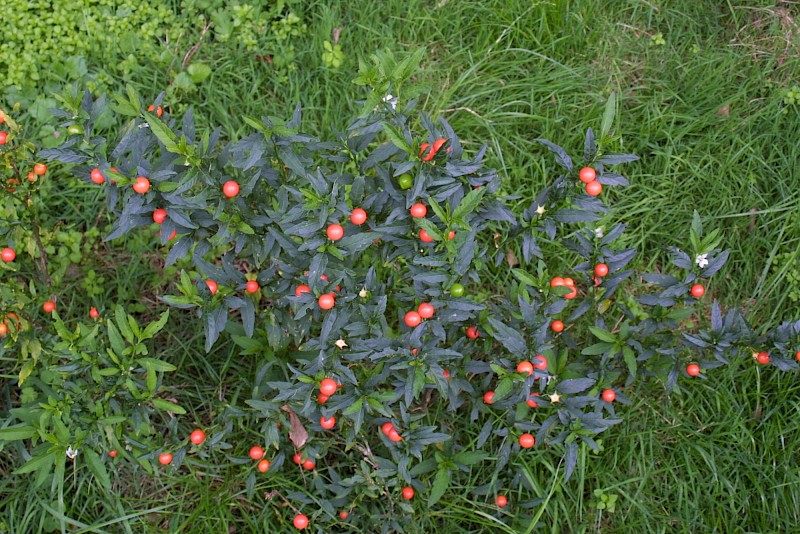
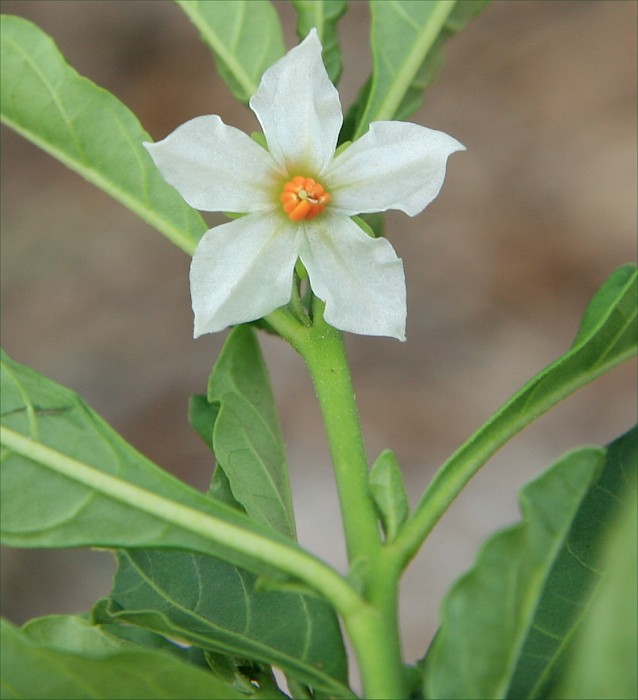
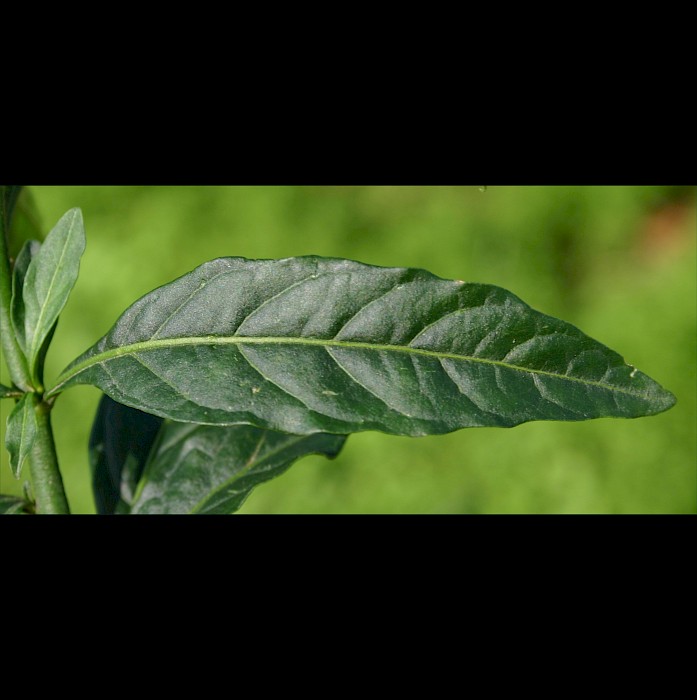
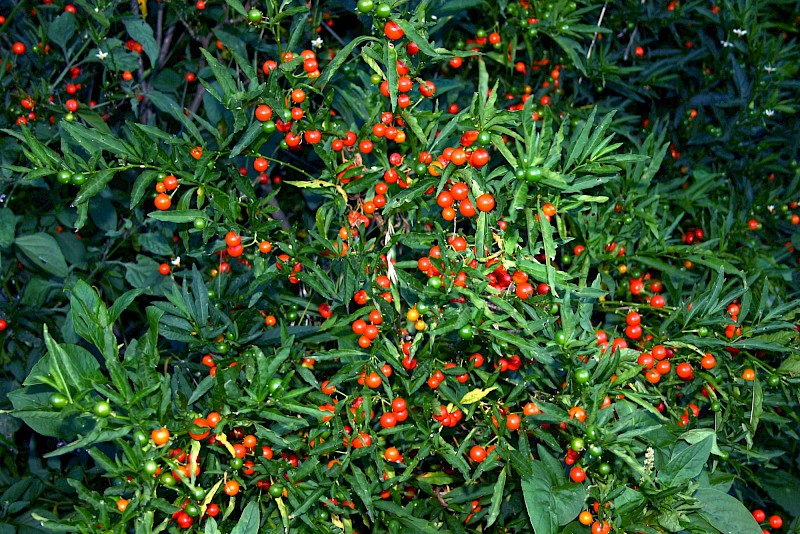
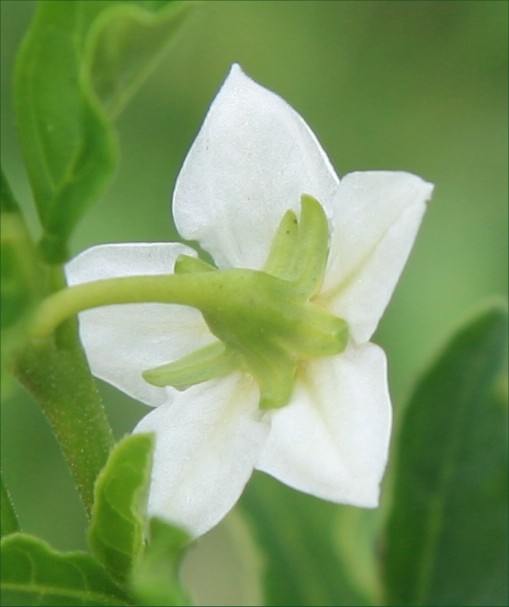
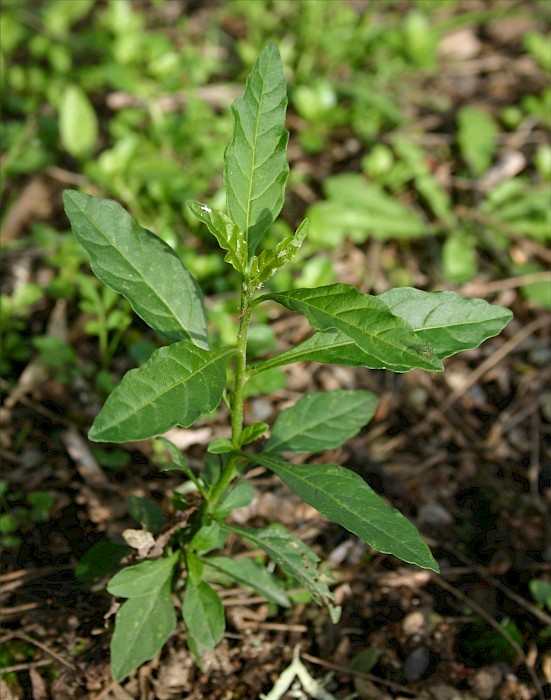
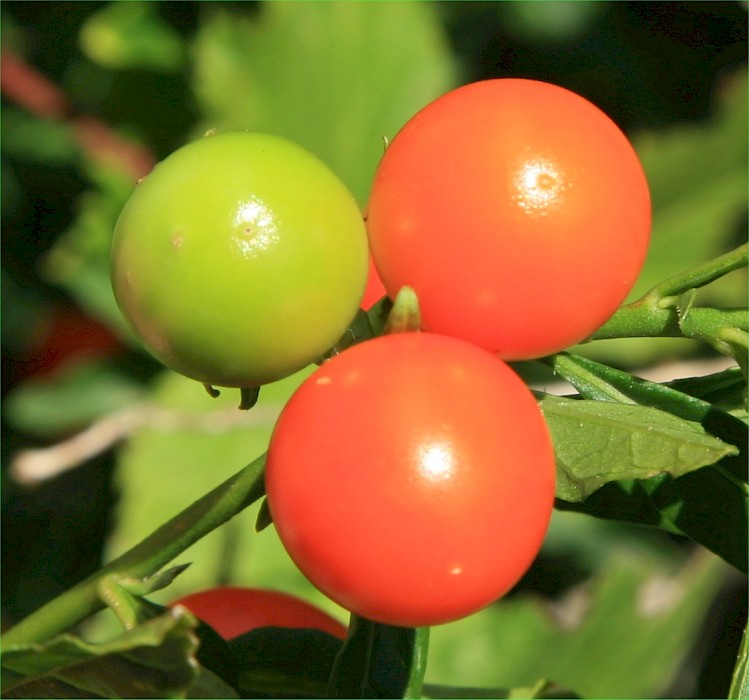
Erect, bushy, evergreen shrub (<120+ cm) which is usually hairless or with a few branched hairs on young shoots. Stems are wiry and much branched. Dark green, lance-shaped leaves (3-12 x 1-3 cm) are alternately arranged on the stems and glossy on the top surface. White 5-pointed star shaped flowers (15 mm diameter) with yellow centres (Oct-May) are followed by round, glossy, long-lasting orange to scarlet berries (15-20 mm diameter) containing seeds (3 mm diameter).
Are there any similar species?
Jaffa’-like berries distinguish these two species from other plants. Solanum diflorum is uncommon, shorter, has dense hairs on young shoots and new leaves, but is otherwise identical.
Why is it weedy?
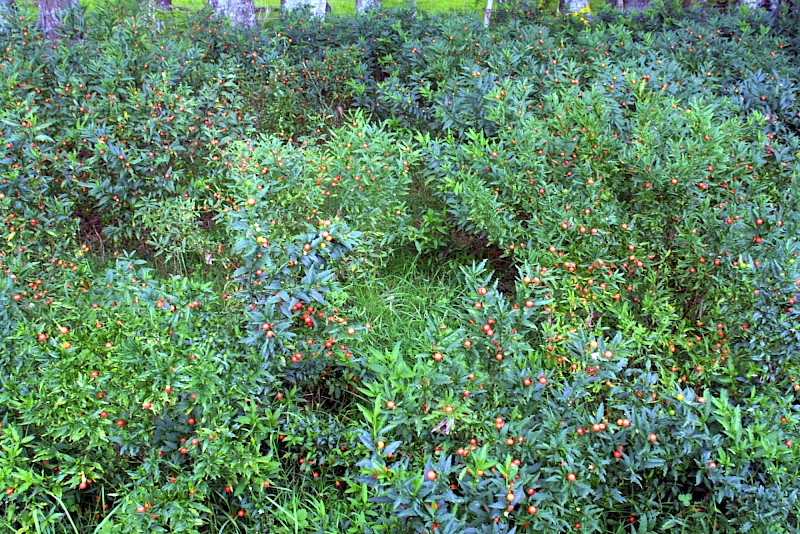
Produces many, well dispersed seeds and forms dense stands in shady spots. Tolerates shade, damage and treading around roots (poisonous, not grazed), wet to moderate dry conditions and hot temperatures but is intolerant of frost, competition for space, high winds, and poor soils.
How does it spread?
Seeds are spread by birds and water and soil movement, and in dumped vegetation. Common seed sources include grazed bush remnants, hedgerows, and many other shady places.
What damage does it do?
Can form dense stands in disturbed (especially grazed) forest and shrubland. Usually succeeded with competition for ground space.
Which habitats is it likely to invade?
Disturbed forest and shrubland, and shady open habitats.
What can I do to get rid of it?
1. Physical removal - Hand pull small plants, or dig out entire plant including roots (all year round).
2. Cut and paste (all year round) - Cut the stem/trunk as close to the ground as possible and cover the entire stump with herbicide as soon as possible after cutting. Apply either glyphosate gel (120g/L strength) or picloram gel (43g/l strength) to the entire cut stem.
3. Basal spray - Basal spray stems up to 20cm diametre with X-Tree Basal. Apply from the ground to a height of 6 times the diameter of the plant, ensure the base is thoroughly covered at ground level.
4. Foliar spray - Apply Glyphosate (360 g/L active ingredient) herbicide (20ml/L) plus organosilicone penetrant (2ml/L) to cover entire plant Note: Non selective. Avoid overspray onto desirable plants OR Apply Triclopyr herbicide (600g/L active ingredient) at 6ml/L plus penetrant 1ml/L to thoroughly wet all parts of plant.
Note: Tricolopyr herbicide is ‘grass friendly’ but overspray will kill other (desirable) broadleaf plants.
CAUTION: When using any herbicide or pesticide, PLEASE READ THE LABEL THOROUGHLY to ensure that all instructions and directions for the purchase, use and storage of the product, are followed and adhered to.
What can I do to stop it coming back?
Cut stumps occasionally resprout. Reseeds densely in bared sites. Exclude livestock at all times, maintain pest control. Usually natural regeneration will overtake plant in time. Replanting, especially of ferns, can accelerate process.
Images