Pink ragwort
Botanical name
Senecio glastifolius
Family
Asteraceae (daisy)
Also known as
Holly-leafed senecio
Where is it originally from?
South Africa
What does it look like?
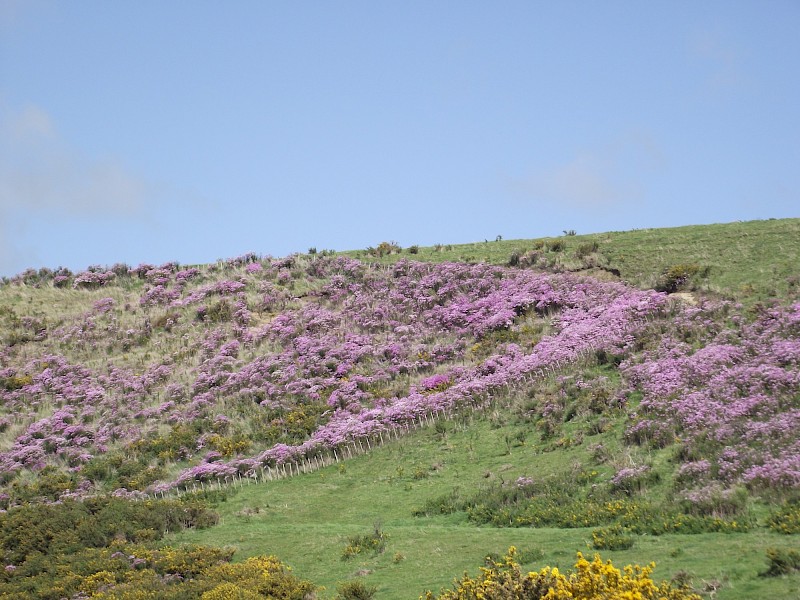
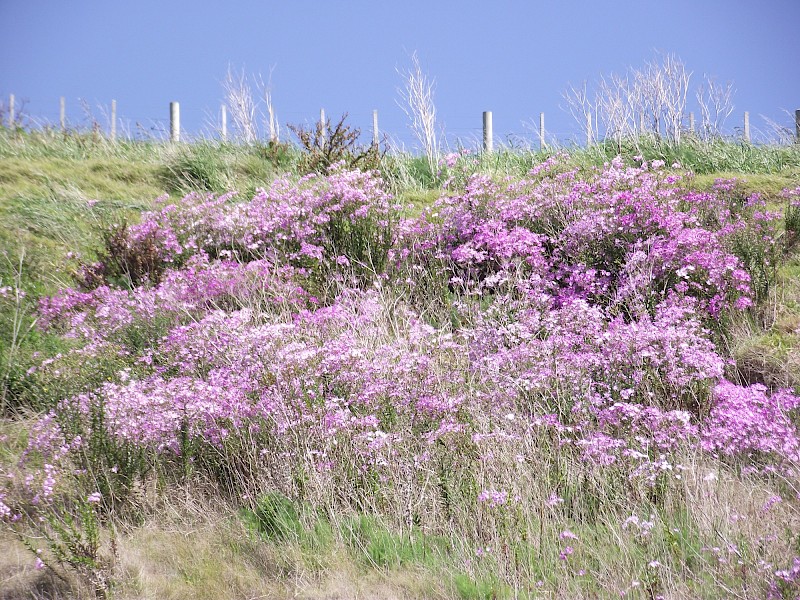
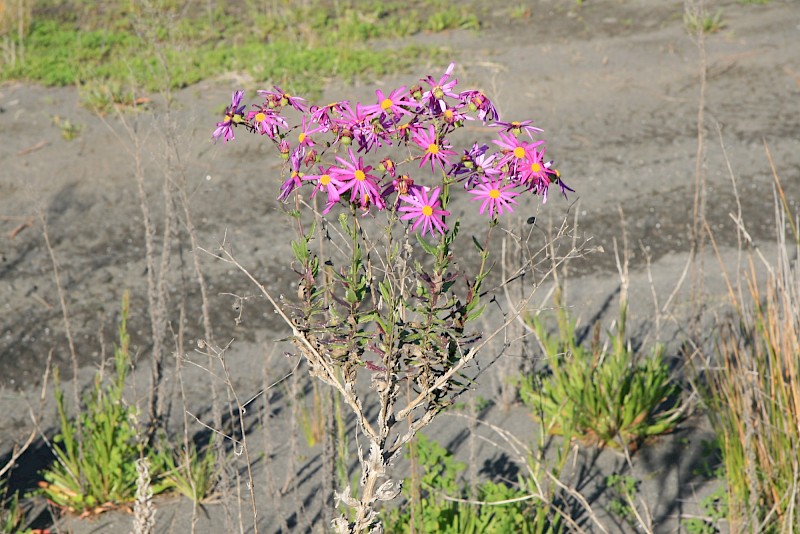
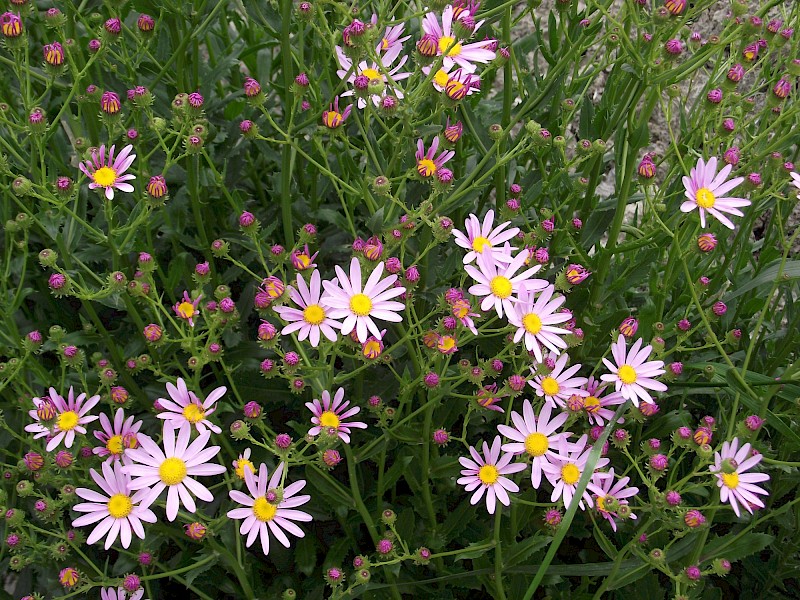
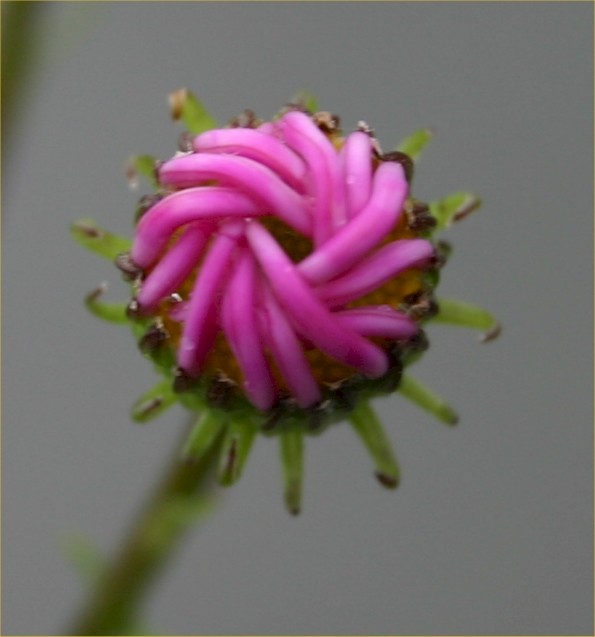
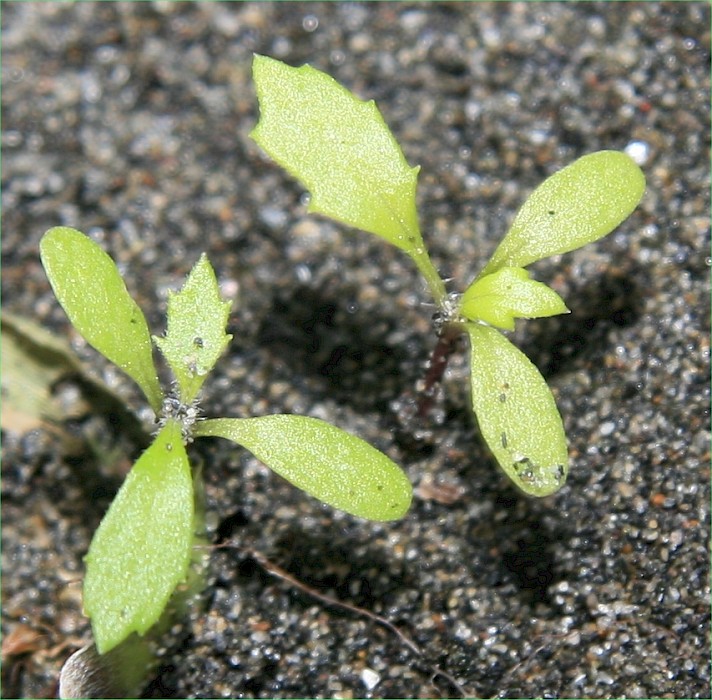
Upright perennial (<1 m tall) with oval, coarsely toothed, light green leaves and cluster of bright pink, purple, or mauve, daisy-like flowers with yellow centres (Sep-Nov). Downy, wind-spread seeds.
Are there any similar species?
Cineraria, purple groundsel, and some garden daisies can look similar
Why is it weedy?
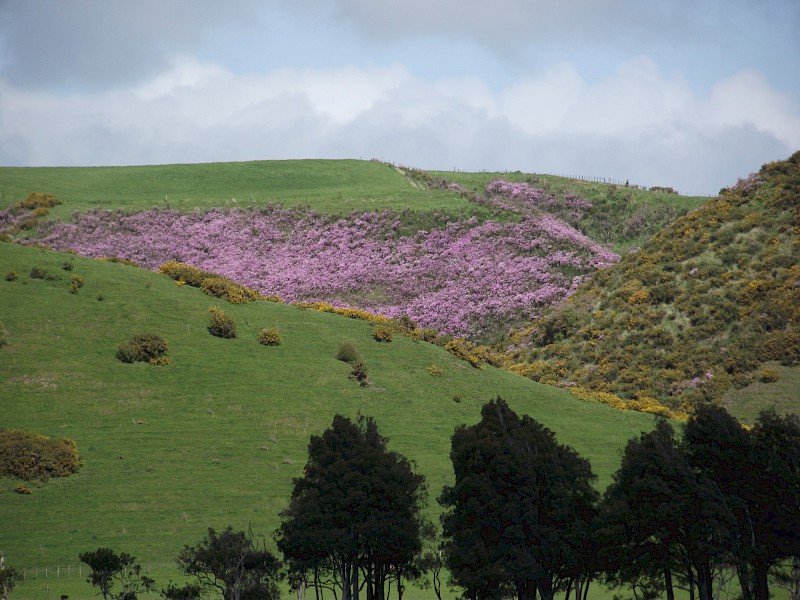
Seeds spread rapidly in the wind. Invades large areas and forms a dense cover.
How does it spread?
Wind-bourne seeds, dumping, and deliberate planting for the flowers.
What damage does it do?
Poisonous to stock, takes over large areas of pasture, grassland, cliffs and dune sites.
Which habitats is it likely to invade?
Pasture, grassland, cliffs and dune sites.
What can I do to get rid of it?
1. Physical removal - Hand pull or dig out entire plant. Dispose of mature seedheads to prevent spread.
2. Foliar Spray - Apply either glyphosate (360 g/L active ingredient at 20ml/L knapsack) plus organosilicone penetrant (2ml/L), to cover entire plant. Note: Glyphosate overspray will kill other (desirable) plants OR apply metsulfuron herbicide (600g/kg active ingredient at 0.5g/1L knapsack or 20g/100L gun and hose) plus organosilicone penetrant (3ml/L) Note: overspray will kill other (desirable) broadleaf plants and has residual activity in the soil which aids in killing below ground parts OR apply Clopyralid herbicide (300g/l active ingredient) at 12.5ml/L. Clopyralid is a herbicide for selective control on plants in the daisy family and some broadleaf weeds.
CAUTION: When using any herbicide or pesticide, PLEASE READ THE LABEL THOROUGHLY to ensure that all instructions and directions for the purchase, use and storage of the product, are followed and adhered to.
Images