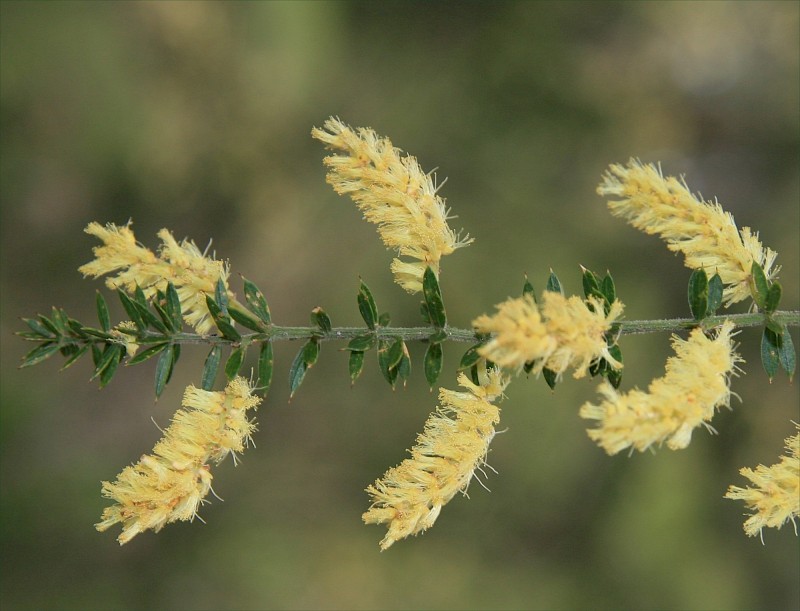
Prickly Moses
Botanical name
Acacia verticillata
Family
Fabaceae (pea)
Also known as
Prickly-leaved wattle, star-leaved acacia, prickly mimosa, whorl-leaved acacia
Where is it originally from?
Australia
What does it look like?
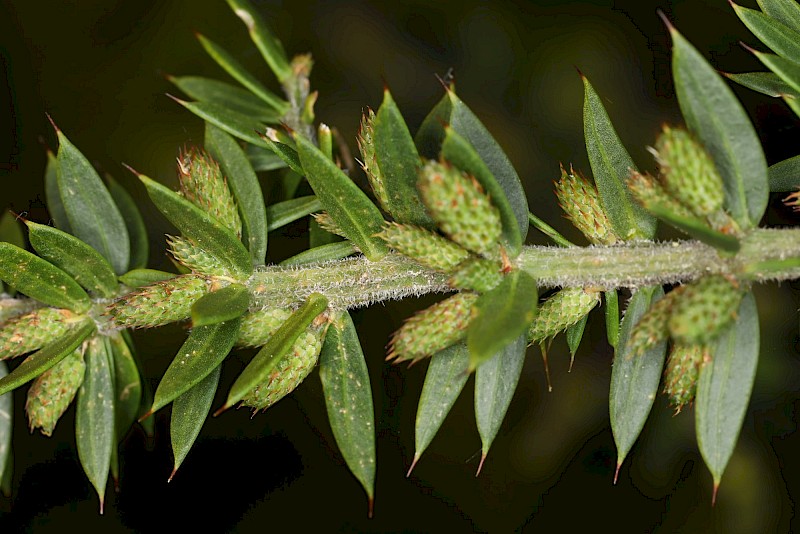
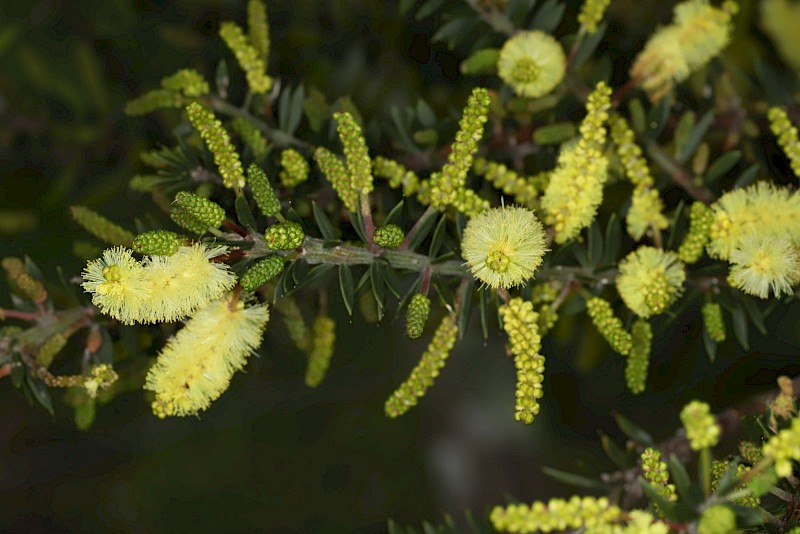
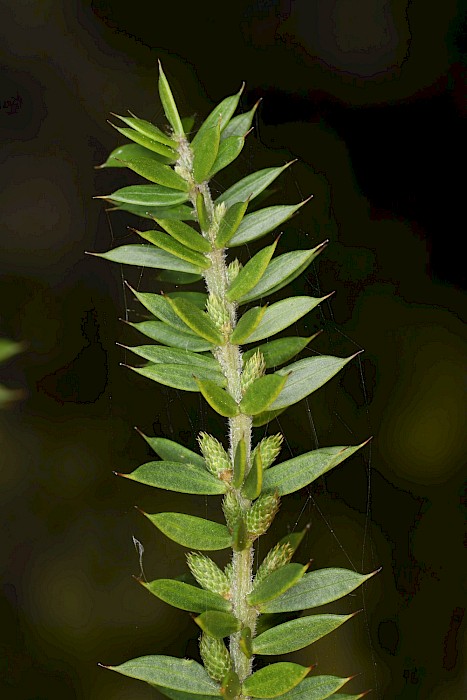
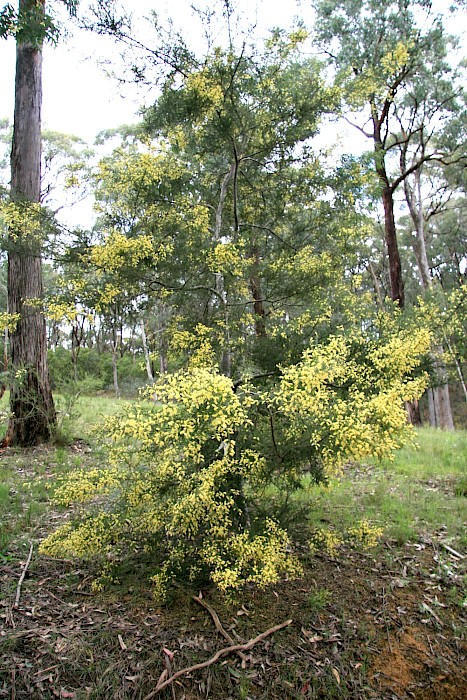
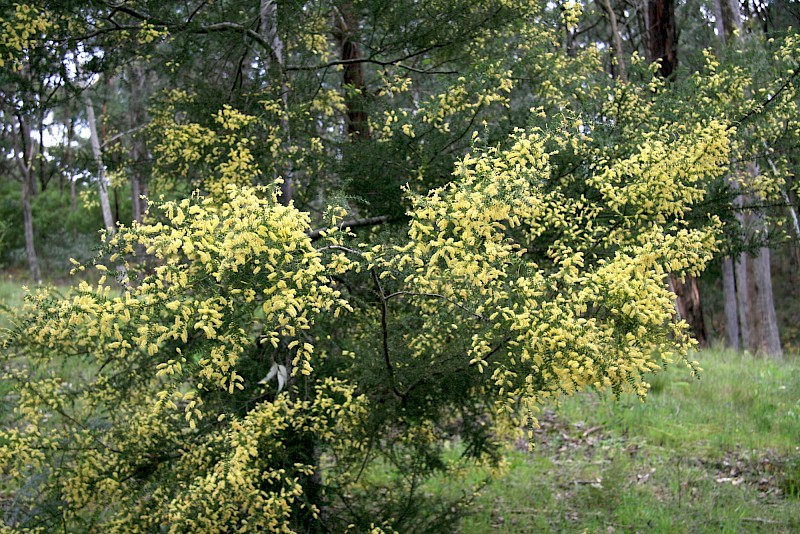
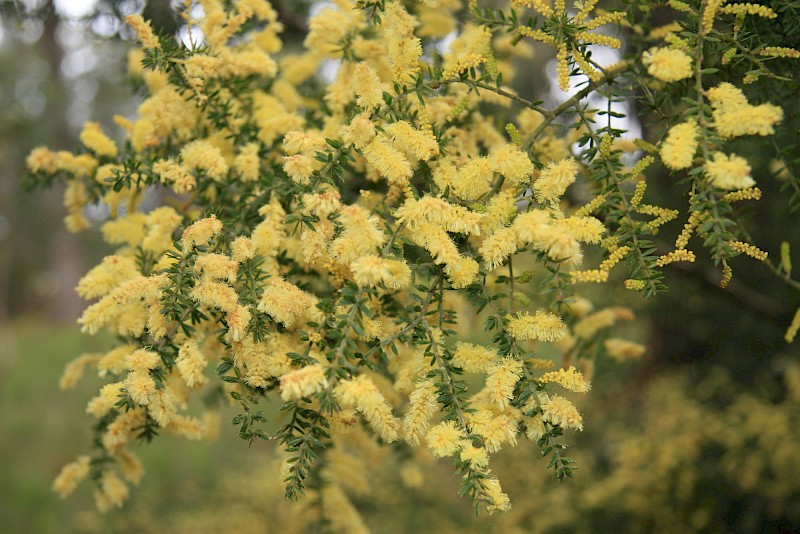
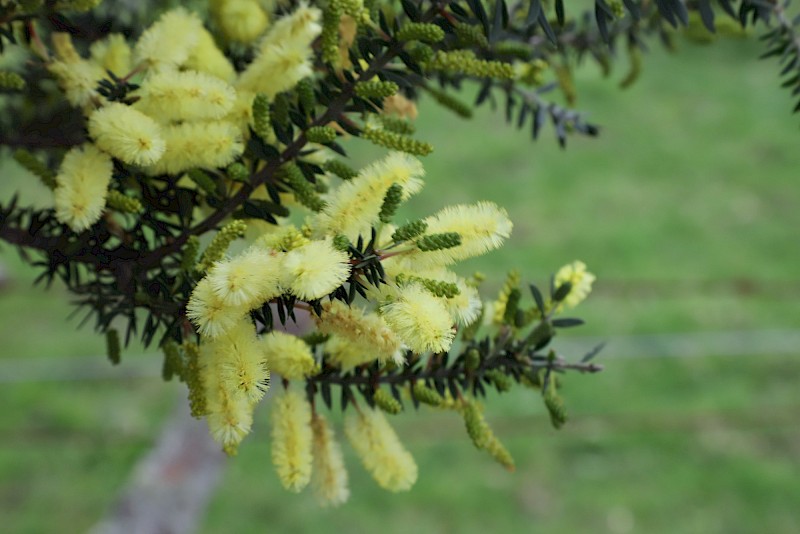
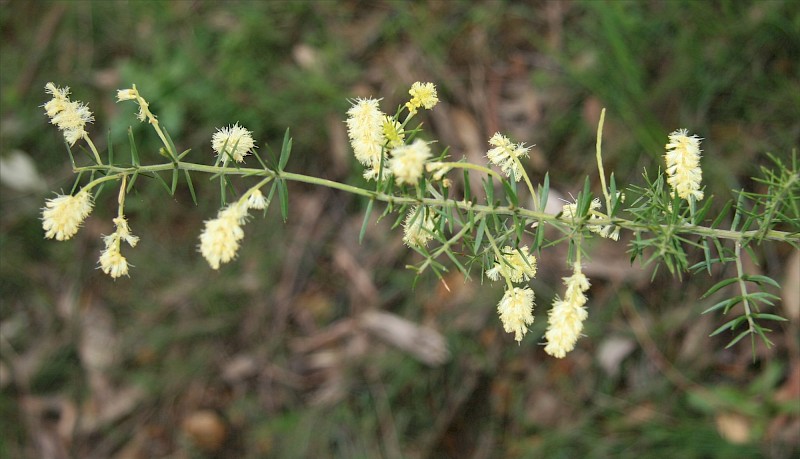
Evergreen, long lived (20-30 years), perennial shrub or small tree with ribbed, hairy twigs. Leaves reduced to flattened, spiked leaf stalks (<17 mm x 4 mm). Solitary, pale yellow flowers grouped on flower heads (Sep-Nov) that extend beyond the leaves develop into seeds contained in usually straight pods (<100 mm x 4 mm) that can be slightly hairy. Stems often covered with fungi-induced galls.
Why is it weedy?
Fixes nitrogen, giving it the competitive advantage in poor soil condions. Spines on the branches of the tree discourage mammalian browsers such as possums.
It cannot grow in the shade, but can tolerate exposed coastal conditions. Fire or soil disturbance encourages germination of long-lived seeds.
How does it spread?
Long-lived seeds are locally dispersed by gravity, but can also be moved in soil.
What damage does it do?
Rapidly occupying vacant spaces on road edges, or forest edge work sites, preventing regeneration or native species.
Which habitats is it likely to invade?
Roadsides, waste places and disturbed areas, scrub, margins of exotic plantation forests and coastal ecosystems. Prefers sandy soils, wetland margins and damp areas.
What can I do to get rid of it?
1. Physical removal - Hand pull small plants, or dig out entire plant including roots (all year round)
2. Cut and paste (all year round) - Cut the stem/trunk as close to the ground as possible and cover the entire stump with herbicide as soon as possible after cutting. Apply either metsulfuron gel (10g/l strength) OR picloram gel (43g/l strength) to the entire cut stem. When a gel is inadequate apply a solution of diesel and product containing triclopyr + picloram (20:1 diesel:triclopyr/picloram). Apply the mixture over the entire exposed surface of the cut stump, i.e. top and sides.
3. Basal spray - stems up to 20cm diametre with X-Tree Basal. Apply from the ground to a height of 6 times the diameter of the plant, ensure the base is thoroughly covered at ground level.
4. Foliar spray (plants up to 1.5m) - Apply Triclopyr herbicide (600g/L active ingredient) at 6ml/L plus organosilicone penetrant (1ml/L) to thoroughly wet all parts of plant OR apply Picloram/triclopyr herbicide (picloram 100g/l and triclopyr 300g/l active ingredient) at a rate of 6ml/L plus organosilicone penetrant (1ml/L) to thoroughly wet all parts of plant.
Note: Tricolopyr and picloram herbicides are ‘grass friendly’ but overspray will kill other (desirable) broadleaf plants. Picloram has residual activity in the soil which may leach through soil and kill other plants. Do not use under and around other (desirable) broadleaf plants. Do not use over or near water bodies or wetlands and use only as directed on label.
CAUTION: When using any herbicide or pesticide, PLEASE READ THE LABEL THOROUGHLY to ensure that all instructions and directions for the purchase, use and storage of the product, are followed and adhered to.
What can I do to stop it coming back?
Plant area with natives to shade out prickly Moses seeding. Regeneration can be sped up by slashing and selective spraying. Clear roads and quarries and maintain pest and livestock control, as it is not readily grazed.
Images