Sycamore
Botanical name
Acer pseudoplatanus
Family
Aceraceae (maple)
Where is it originally from?
Central Europe and Western Asia
What does it look like?
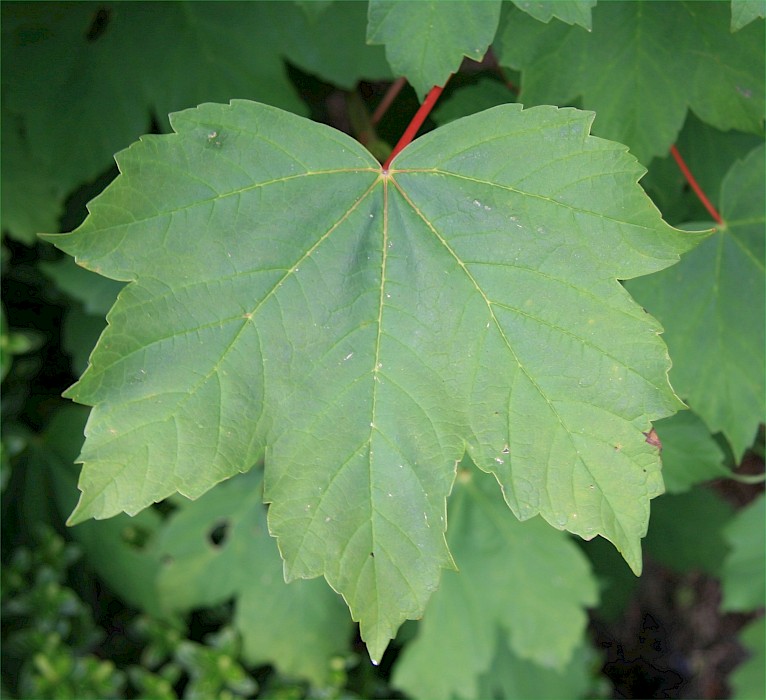
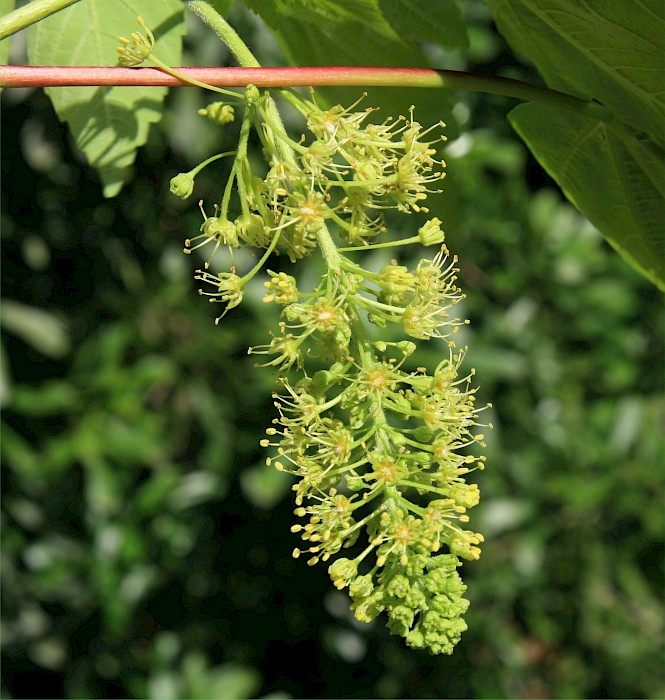
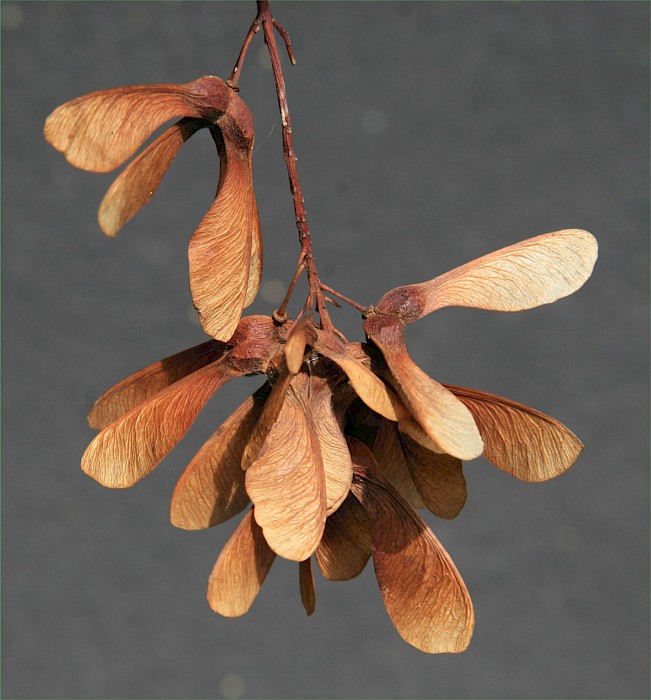
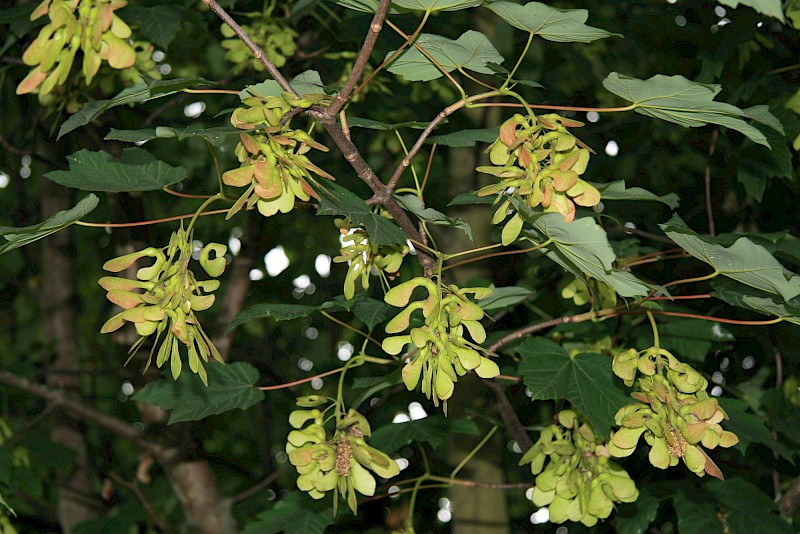
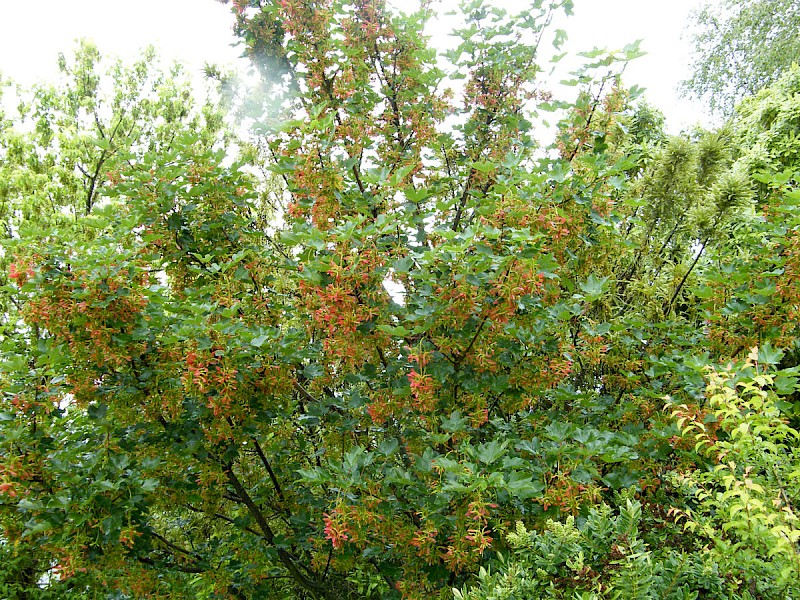
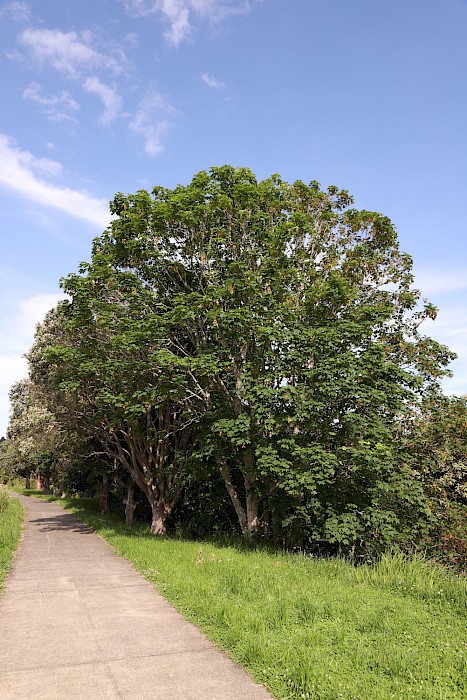
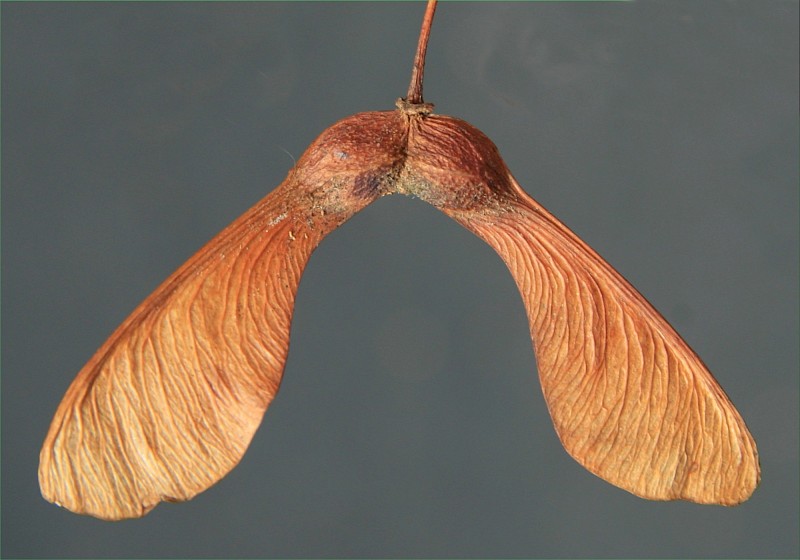
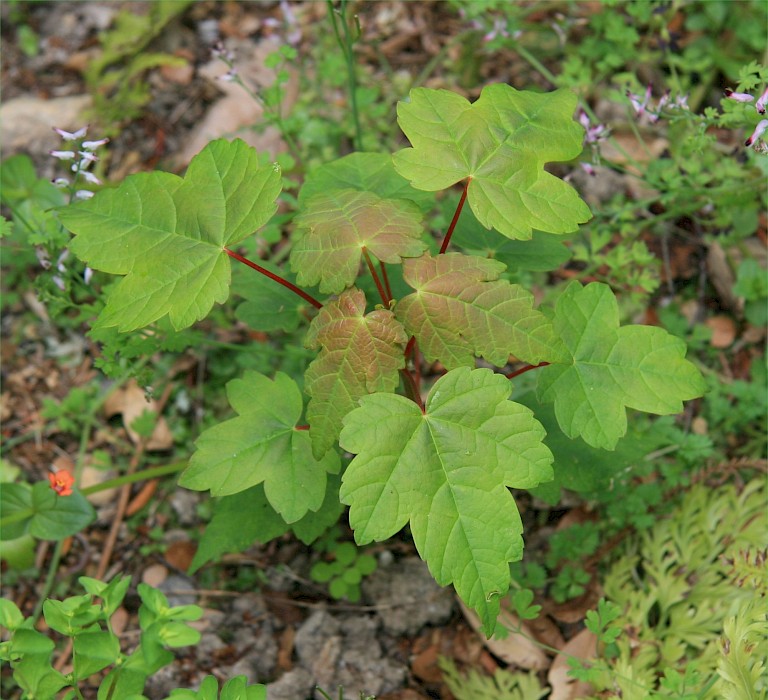
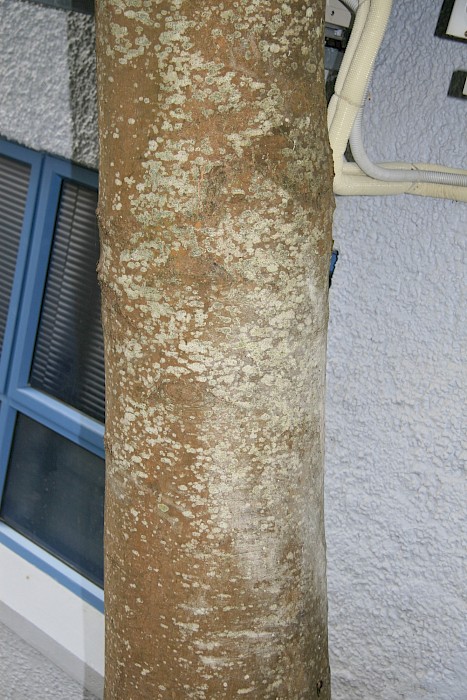
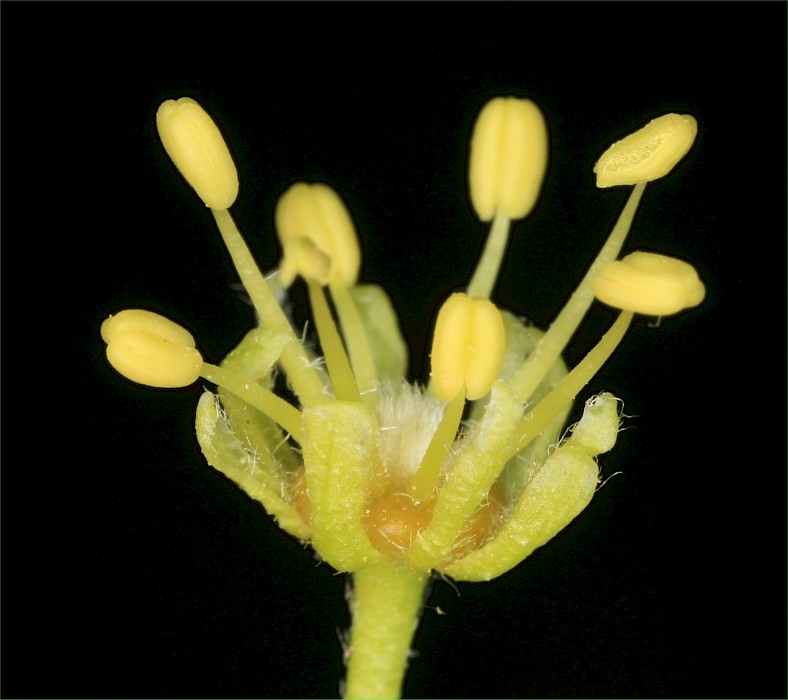
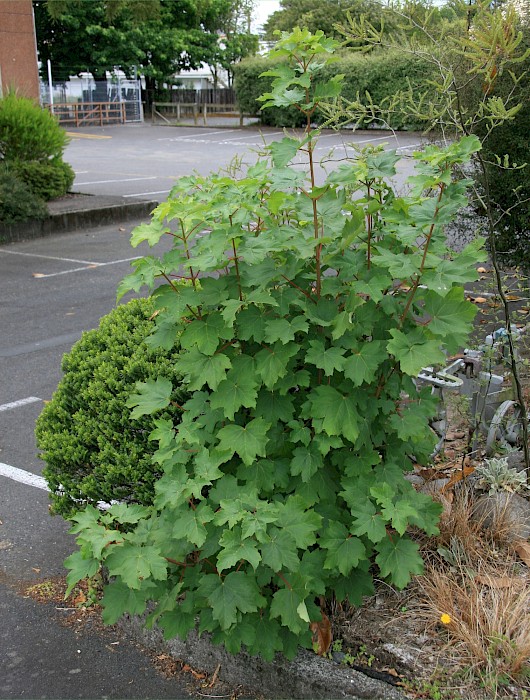
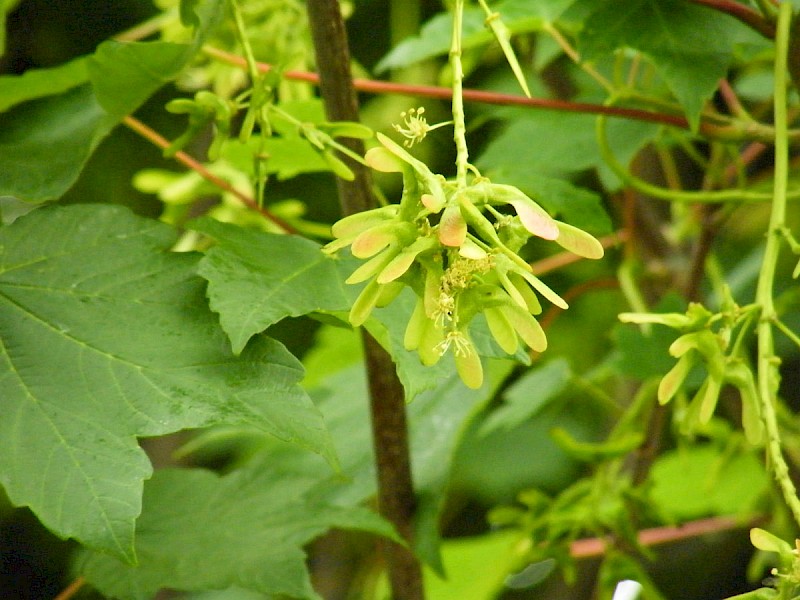
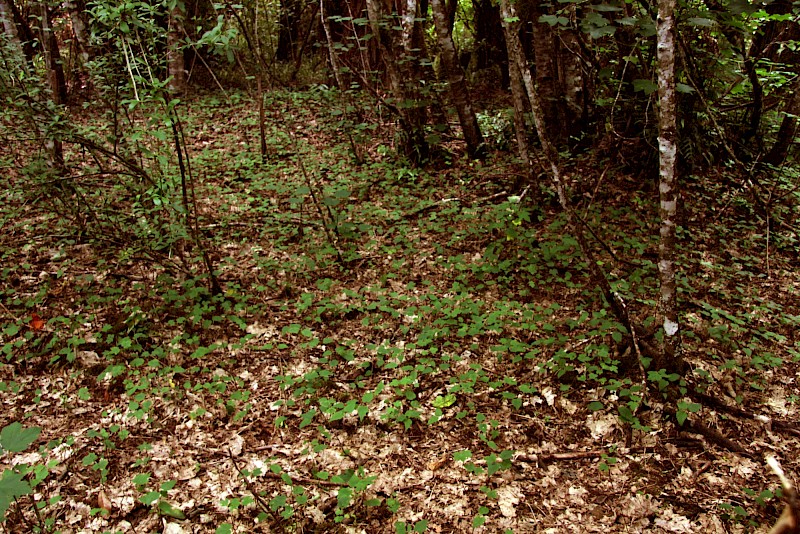
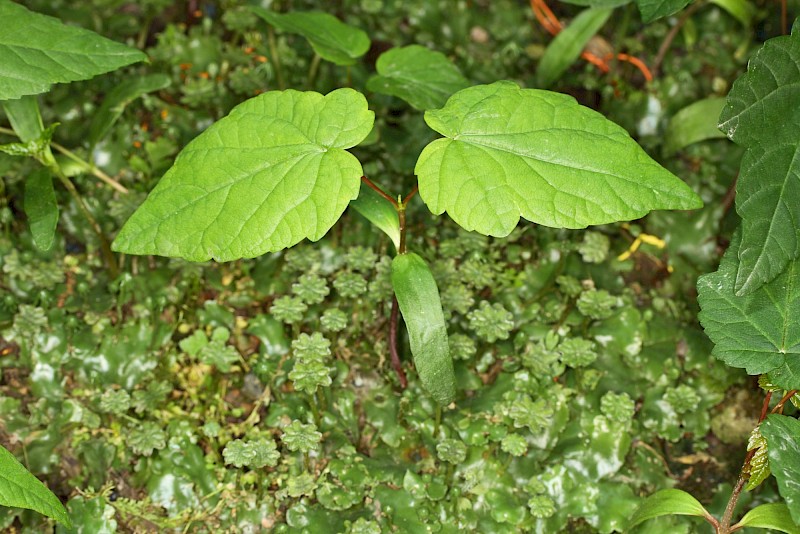
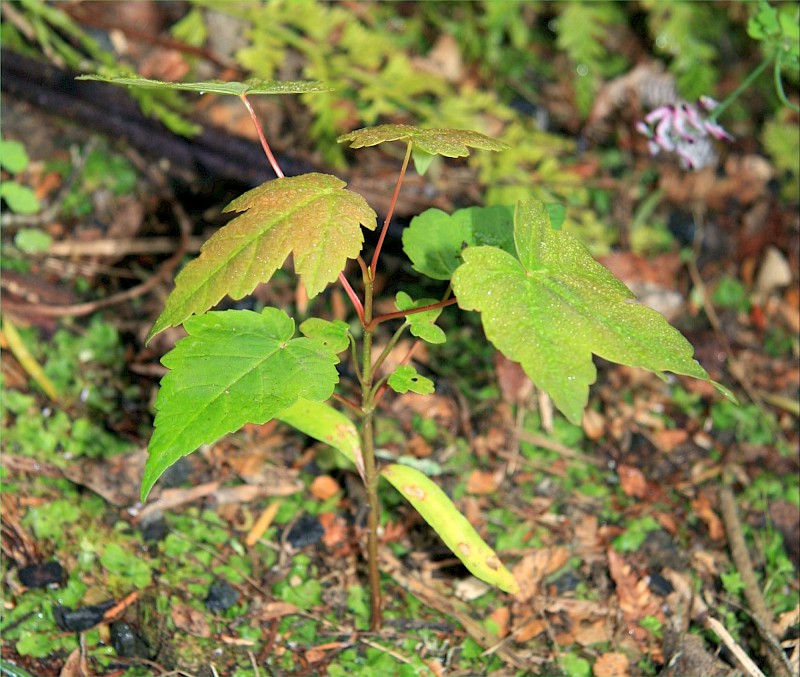
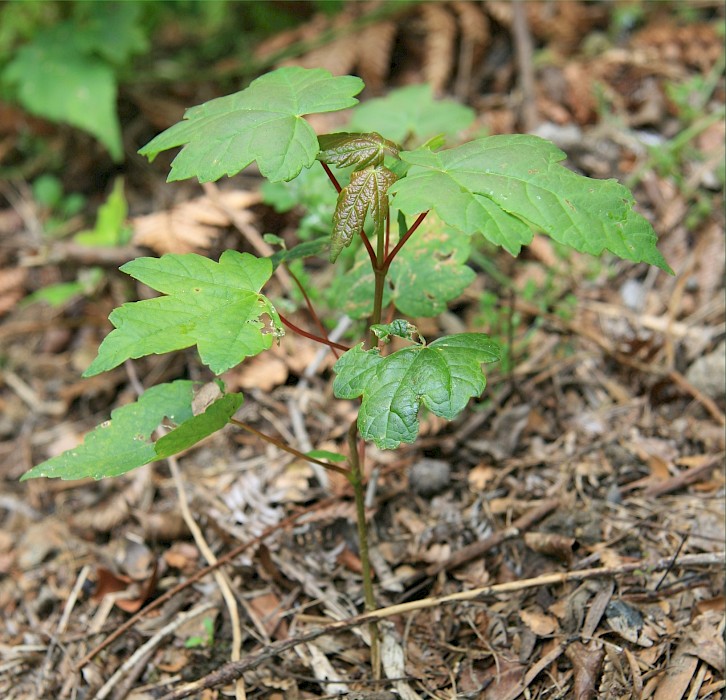
Deciduous tree (<20 m tall) with smooth grey bark and hairless green shoots. Large buds (<5cm long) have pinkish inner scales. Bluish-green 5-lobed leaves (8-14 x 10-20cm) are in opposite pairs on reddish stems. Flowerheads (Oct-Nov) are narrow drooping clusters (5-15 cm long) of many dense, green flowers (2-4mm long), followed by reddish, winged, ?helicopter? seed capsules (2-4 cm long) containing two seeds (5-10 mm long).
Are there any similar species?
Maple similar, but seeds are green ripening brown.
Why is it weedy?
Long-lived, forms dense (often pure) stands. Produces many, long-lived, well dispersed seeds. Seedlings shade tolerant. Tolerates warm to very cold, moist to dry, most soils, wind, salt. Possibly able to release toxins into the soil to stop other plants growing near it.
How does it spread?
Wind, occasionally water movement. Plantations, hedges, gardens, waste places.
What damage does it do?
Forms dense (occasionally pure) stands, prevents recruitment.
Which habitats is it likely to invade?
Disturbed and intact forest and shrubland, short tussockland, fernland, river systems, bare land.
What can I do to get rid of it?
1. Physical removal - Hand pull small plants, or dig out entire plant including roots (all year round)
2. Cut and paste (all year round) - Cut the stem/trunk as close to the ground as possible and cover the entire stump with herbicide as soon as possible after cutting. Apply either metsulfuron gel (10g/l strength) OR picloram gel (43g/l strength) to the entire cut stem. When a gel is inadequate apply a solution of diesel and product containing triclopyr + picloram (20:1 diesel:triclopyr/picloram). Apply the mixture over the entire exposed surface of the cut stump, i.e. top and sides.
3. Drill or frill - Drill downward sloping holes around the circumference of the trunk about 8-10 cm apart, or Frill (make deep cuts into the sapwood at regular intervals around the base of the tree, taking care not to ring-bark the plant). Fill the holes with undiluted ‘neat’ glyphosate (360g/L active ingredient) or saturate the frill cuts with glyphosate (360g/L active ingredient) mixed at 250ml/L OR metsulfuron-methyl 600 g/kg (20-50g/L + penetrant) OR a product containing 100g picloram+300g triclopyr/L (undiluted) .
4. Foliar spray (full leaf stage only) - Apply herbicide using a hand held sprayer/knapsack to plants <1m tall or gun and hose for larger infestations. Apply metsulfuron herbicide (600g/kg active ingredient at 0.5g/L knapsack or 20g/100L gun and hose) + organosilicone penetrant (3ml/L). Note: Metsulfuron overspray will kill other (desirable) broadleaf plants and has residual activity in the soil which aids in killing below ground parts.
CAUTION: When using any herbicide or pesticide, PLEASE READ THE LABEL THOROUGHLY to ensure that all instructions and directions for the purchase, use and storage of the product, are followed and adhered to.
What can I do to stop it coming back?
Follow up 6-monthly for at least 2 years before replanting bared sites to minimise seedling regrowth
Images